
Much like the rest of the world, since the beginning of October, it has been impossible for me to tear my eyes away from the news. For weeks, the conflict between Israel and Gaza was filling the papers, TV screens, and social media. It shocked and saddened us all. And yet, it is not something new or out-of-the-ordinary.
I never thought I would be posting about geopolitics on here, but it does not feel right to sit here and continue producing normal content without addressing the devastating war. I cannot, in good conscience, sit here and talk about the things I love while knowing what is happening. While knowing that thousands of innocent children and their entire families are being massacred and slaughtered, some families even being completely erased – all in the name of ‘defence’ and Israel’s twisted ideologies.

I’m sure for many of us, up until recently, we had not paid much attention to the citizens of Gaza and their oppression. Perhaps we weren’t even aware it was happening. But the truth is, it has been happening for the entirety of our lives, our parents lives, and our grandparents lives. For the past 75 years, Palestinians have been living under a totalitarian regime, like something out of a dystopian novel, and it shows no signs of wavering.
Yet, the more time that passes, the less attention mainstream media is giving it. My timeline on Instagram is no longer being overwhelmed with videos and infographics. But, the war and oppression is far from over. And I realised that it is up to us to keep the conversation going.
In the film National Treasure, Ben Gates recites a line from the Declaration of Independence that says: ‘Those who have the ability to take action, have the responsibility to take action.’
We have the ability and responsibility to learn about the situation, so we can seek justice and raise our voices for those who are unable to do so. It is the only way things will ever change.
I also recognise there is misinformation being spread about the internet, to the point where people can no longer distinguish fact from fiction. Thus, this post aims to collate most of the essential information on Palestine, its history, its people, as well as the conflict, in order to help those who wish to educate themselves. I have tried my very best to obtain it from reliable, factual sources, but as ever, if you notice there is something incorrect, please let me know so I can correct it.
(You’ll also find a section of infographics at the bottom of this post (along with some scattered throughout), as well as links to resources should you want any more information. There is also a section on charities and organisations and ways you can help.)
A History of Palestine
Palestine (officially known as the State of Palestine) is located in the Southern Levant area of West Asia, bordering Syria, Jordan, Egypt, and the Mediterranean Sea. It comprises two territories – the West Bank (west of the Jordan River), and the Gaza Strip (along the coast of the Mediterranean Sea), and in 2021 it was home to roughly 4.9 million people. (Think just under half the population of London.)
Up until 1922, Palestine resided under Ottoman control and was home to a very small minority of the Jewish population. It stretched from the border of Egypt to the border of Lebanon/Syria and comprised most of modern-day Israel.
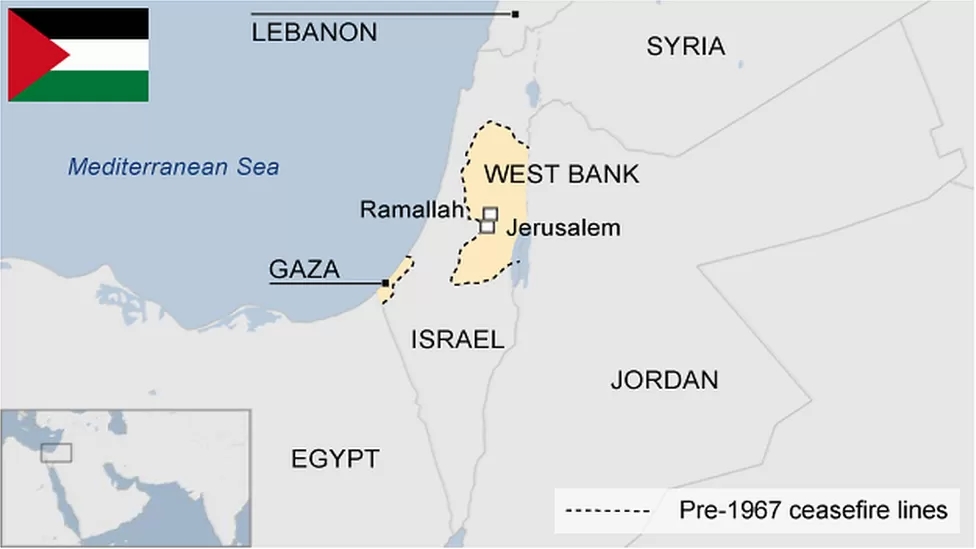
Pre-1917
In 1916, Sir Mark Sykes, a British Conservative MP who had risen to a position of significant influence on Britain’s Middle Eastern policy, and Francois George-Picot, a French diplomat and former consul-general in Beirut, signed a secret consensus approved by the Russian Empire known as the Sykes-Picot agreement.
In it, it outlined their collectively agreed ‘spheres of influence and control’ in Southwestern Asia, including the countries of Armenia, Syria, Cyprus, Palestine, and Kuwait; and was founded on the premise that the Triple Entente (Great Britain, France, and Russia) would succeed in defeating the Ottoman Empire (Turkey, Greece, Bulgaria, Egypt, Hungary, Macedonia, Romania, Jordan, Palestine, Lebanon, Syria, parts of Arabia, and a considerable amount of the North African coastal strip), during the First World War.
It agreed that control of countries would be divided as follows:
- Britain: Coastal strip between the Mediterranean Sea and the River Jordan, Jordan, southern Iraq, and a small section of land that included the ports of Haifa and Acre (now parts of modern day Israel), to allow access to the sea.
- France: Southeastern Turkey, northern Iraq, Syria, and Lebanon.
- Russia: Istanbul, the Turkish Straits (two waterways in northwestern Turkey), and Armenia.
Up to this point, although Sykes had been aware of Zionism (the Jewish nationalist movement that originated in eastern and central Europe during the late 19th century), and was in contact with Moses Gaster, a former President of the English Zionist Federation, no active negotiations with Zionists had taken place.
1917-1947: Palestine under British Mandate
On 2 November 1917, amid World War One, the then British Foreign Secretary Arthur Balfour wrote a letter to Lord Rothschild, a leader of the British Jewish Community, stating that the British government were supportive of the notion of establishing a national home for the Jewish people in Palestine. This statement was published a week later in the press on 9 November 1917 and came to be known as The Balfour Declaration.

On 24th July 1922, the League of Nations adopted a legal document (League of Nations Mandate for Palestine) based on the Sykes-Picot agreement, and other agreements reached at the Paris/San Remo conferences which officially declared Britain as a Mandatory in control of Palestine (which had been under military government – Occupied Enemy Territory Administration South (OETA-S), since its occupation by the UK during WW1). As a result, this led to the domination of the Middle East (Arabian Peninsula, the Levant, Turkey, Egypt, Iran and Iraq) by Western powers, and saw the creation of the modern Arab world and the Republic of Turkey.
The League of Nations document reinforced ideas presented in the Balfour Declaration, noting the aim to establish Palestine as a national home for Jewish people while ensuring that the rights and positions of other communities already in Palestine be respected and preserved, as well as holy places. Article 25 of the document allowed for the British government (with the approval from the League of Nations), to separate the territory east of the Jordan River – a right which it chose to uphold with the creation of the Transjordan Memorandum.
Between the years of 1922 and 1947, under British Mandate, the large-scale immigration of Jewish people took place, mostly from Eastern Europe, with the numbers continuing to escalate throughout the 1930s due to the Nazi persecution of Jews during the Holocaust.
Arab requests for independence, and opposition to the immigration movement, led to an uprising in 1937, followed by terrorism and violence on both sides. However, in 1947, Britain chose to turn the problem over to the United Nations.
1947-1977: The Creation of Israel
Since 1917 with the Balfour Declaration and with the creation of the British Mandate of Palestine, there has been tension and unrest between Arabs, Jews, and the British, in the modern-day Levant. Over the following decades, the waves of Jewish immigration led to a significant increase in the Jewish population in Palestine.
On 29 November 1947, the United Nations adopted Resolution 181 (II) which proposed ideas of ending the British Mandate of Palestine and partitioning it into two independent states – one Arab (Palestinian) and the other Jewish, along with the Special International Regime encompassing Jerusalem and Bethlehem. Palestinian Arabs opposed this as they saw it as a ‘violation of sovereignty’ because it gave away land owned and inhabited by Palestinian people. Conflict broke out almost immediately between the Jewish and Arab populations, with the first act being an ambush of a bus carrying Jewish passengers from Netanya to Jerusalem the following day. As British troops prepared to pull out of the region, conflict continued to escalate.
(It is important to note that although the US had announced support for the Balfour Declaration, President Franklin D Roosevelt had offered assurances to the Arabs in the Levant in 1945 that the USA would not intervene without first discussing matters with both the Jewish and Arab population in the region).
On 14 May 1948, David Ben-Gurion, the head of the Jewish Agency, announced the establishment of Israel within the Israeli Declaration of Independence, with the then-US President recognising Israel as a new nation almost instantaneously. The following day, on 15 May 1948, the civil war escalated into a full-scale conflict between the Jewish state of Israel and the Arab states, with Egypt, Transjordan, Syria, and expeditionary forces from Iraq invading Palestine. These forces usurped the control of Arab areas and attacked Israeli forces and several Jewish settlements. Ten months of fighting followed, mostly on the territory of the British Mandate, as well as in the Sinai Peninsula (an area of land in Egypt), and southern Lebanon, with several truce periods in between.
At the end of the Arab-Israeli war in 1949, Israel had captured further territory, while Transjordan (now known simply as Jordan) took control of the West Bank; and Egypt – the Gaza Strip.
As a result, over half (700,000) of the Palestinian population were exiled, expelled, or fled their homeland, now under Israeli control, with the majority of them becoming stateless refugees. Simultaneously, thousands of Jews were fled/expelled from Arab countries and resettled in the new nation State of Israel.
The now-exiled Palestinians, having no state, government, or homeland of their own, organised themselves into separate groups to promote a nationalist struggle. This included the establishment of the Palestine Liberation Organisation (PLO) in 1965 – an umbrella group which supported the idea of Palestinian self-determination.
Along with the mass displacement of Palestinian people, 15,000 people were killed and over 500 villages destroyed. This became known the the Nabka (‘catastrophe’ in Arabic).


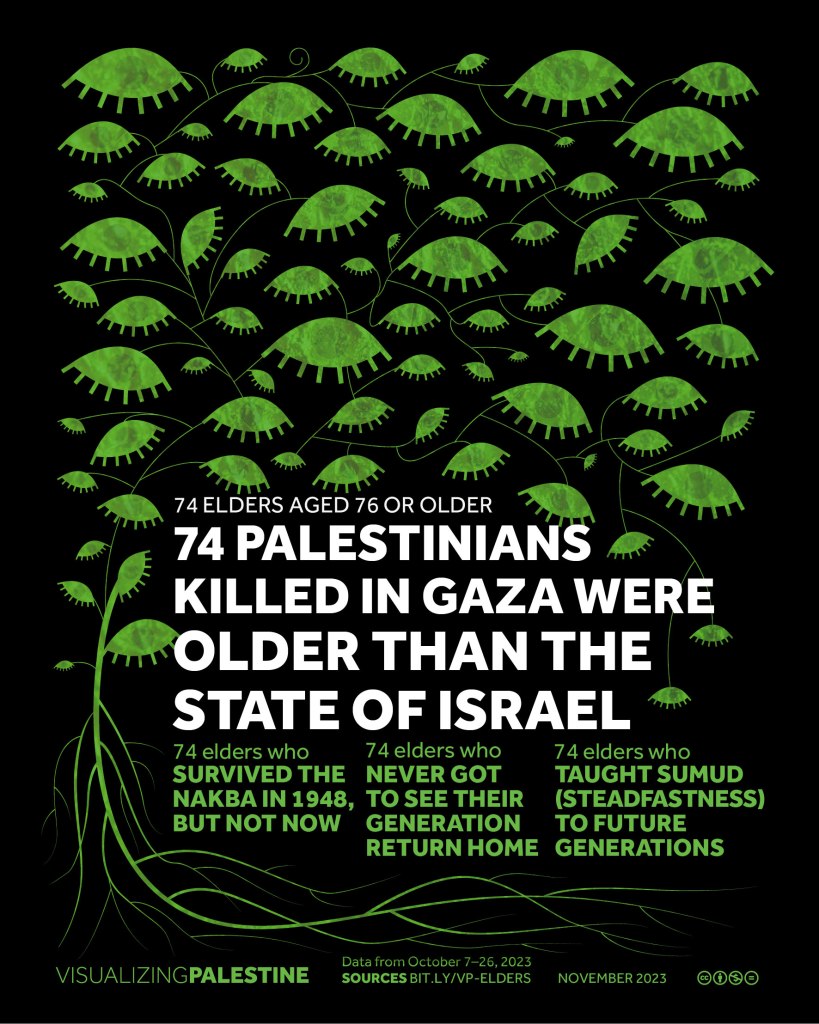
Israeli Occupation of the West Bank and Gaza Strip
The conflict between Israel and the Arab states resumed in 1967 with the Six-Day War. During this war, Israel invaded the remaining Palestinian territories in the new nation – the Gaza Strip and the West Bank – as well as East Jerusalem, and the Golan Heights.
(Israel also captured the Sinai Peninsula in Egypt, though it was returned to the country in 1979 following the peace agreement known as the Camp David Accords. The agreement upheld the idea of ‘land for peace’ and further built upon the idea of a two-state solution.)
This war brought about a second exodus of around half a million Palestinians.
UN SecCo – Resolution 242 and 338
On 22 November 1967, the United Nations Security Council proposed Resolution 242 – outlining the principles for a justified and lasting peace for both states, including the withdrawal of Israeli troops from occupied territories and the termination of all claims/states of belligerency (aggressive or warlike behaviour).
Almost six years later on 22 October 1973, the Security Council proposed another resolution which called for peace negotiations between all parties, among other things. The following year, the UN General Assembly further supported the sacrosanct (unchallengeable) rights of the Palestinian people to self-determination, national independence, sovereignty, and ultimately the right to return to their homeland.
In 1975, the GA established the Committee on the Exercise of the Inalienable Rights of the Palestinian People in an attempt to uphold this, appointing the Palestinian Liberation the status of observer (a privilege granted by the organisation to non-members to allow them an ability to participate in the organisation’s activities) in the Assembly and UN conferences.
1977-1990: Israel invasion of Lebanon, ICQP, and the first Intifada
In June 1982, Israel invaded Lebanon in the hopes of eliminating the Palestinian Liberation Organisation. Almost immediately, a ceasefire was arranged. Troops from the PLO were withdrawn from Lebanon’s capital, Beirut, and transferred to neighbouring Arab countries. However, despite the guarantees of safety for the Palestinian refugees left behind, Israel conducted a large-scale massacre in the camps of Sabra and Shatila, in the centre of Beirut.
The following year, the ICQP (International Conference on the Question of Palestine) laid out issues facing Palestinians, including:
- The need to oppose Israeli settlements
- The status of Jeruslaem as an important holy site for Christians, Muslims and Jews
- The right of all states within the region to exist (within secure and internationally recognised boundaries).
- Guaranteed protection of the rights of Palestinian people.
Alongside this, the right to return to their homeland was also a crucial issue as the majority of Palestinian descendants were made refugees during the mass exodus.
Over the coming years, there would be mass uprisings against the Israeli occupation since it began in the Occupied Palestinian Territory (the Intifada), the first in 1987. Tactics used by the Israeli forces resulted in a drastic amount of casualties and heavy loss of life among Palestinian civilians.
1990: A road to peace?
In 1991, a peace conference was held in Madrid, Spain, to achieve peace between Israel and the Arab states, and, Israel and the Palestinians. The negotiations at this conference were to focus on issues such as the environment, arms control, refugees, water, and economy throughout the region. Further discussions accrued in the mutual recognition of the government of Israel and the PLO, with the signing of the Declaration of Principles on Interim Self-Government Arrangements taking place in 1993.
Subsequent implementation of agreements led to the partial withdrawal of Israeli troops, elections to the Palestinian Council and the Presidency of the Palestinian Authority, and the partial release of prisoners, as well as the establishment of a functioning administration in areas that were self-governed by Palestine.
The Separation Wall
In September 2000, following the visit of Prime Minister Ariel Sharon to Jerusalem, Israel began the construction of a separation wall in the West Bank known as the ‘Israeli West Bank Barrier’ (like that of the one constructed in Berlin during the Cold War). It spanned a total length of 708 kilometres (440 miles) and separated nearly 25,000 Palestinian people from the rest of their territory, and was completed at the end of 2006.
It’s aim? To annex Palestinian land under the false pretence of ‘security’ during the second intifada. The Israeli government cited that there had been a decreased number of suicide bombings from the West Bank between 2000 and 2003 (with the completion of the first continuous segment), and between August 2003 and the end of 2006 (with the completion of the entire wall), thus reinforcing the idea of its efficacy.
However, in 2004, the International Court of Justice ruled the barrier to be illegal, violating international law – however, the wall still stands today as a clear divider and representation of Israel’s apartheid system.
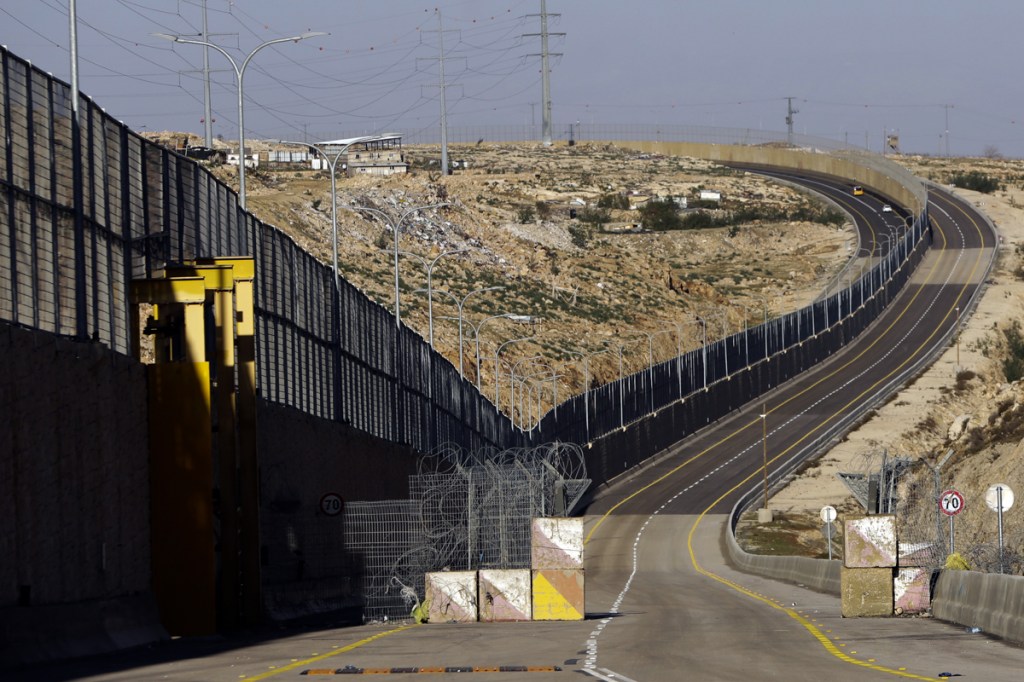
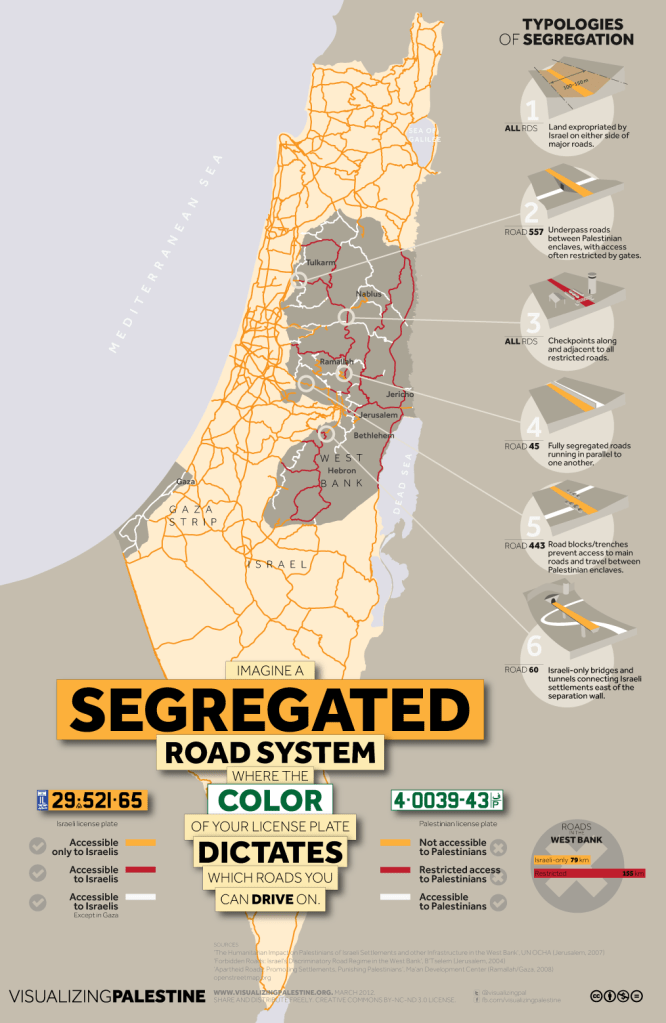
A newly opened segregated West Bank highway is seen near Jerusalem Thursday, Jen. 10, 2019. Israel has opened a controversial new West Bank highway on Thursday that features a large concrete wall segregating Israeli and Palestinian traffic. Critics have branded the road an “apartheid” highway, saying it is part of a planned segregated road system that would benefit Israelis exclusively. (AP Photo/Mahmoud Illean) 


Road Map to Present Day
In 2003, the Quartet (USA, European Union, Russia, and the United Nations) released a ‘Road Map’ to a two-state solution for Israel and Palestine. An unofficial Geneva peace consensus was publicised by notable Israelis and Palestinians. Two years later, Israel withdrew its settlers and troops from the occupied regions of Gaza, meanwhile still maintaining control over its borders, coastal areas, and airspace.
In 2006, following Palestinian legislative elections, the Quarter prepared support for the Palestinian Authority, on the understanding of its commitments to nonviolence, the recognition of Israel, and other agreements accepted throughout the region over the previous 50 years.
However in 2007, following an armed takeover of Gaza by Hamas, an Islamic Militant Group, Israel imposed a blockade (a means of sealing off an area to prevent goods, aid, or people from entering or leaving), again similar to that witnessed during the Cold War in Berlin.

Increasing rocket fire and air strikes in the latter half of 2008 resulted in Israeli troops conducting a ground operation in Gaza. The following year, the UN General Assembly investigated violations of international law, publishing the ‘Goldstone Report’ (authored by South African jurist Richard Goldstone, who was appointed to lead the mission) in September 2009. The report accused both the IDF (Israel Defence Forces) and Hamas of war crimes, as well as crimes against humanity, and recommended that both sides investigate their conduct within the conflict. The Israeli government rejected the report, claiming it was prejudiced and full of inconsistencies/errors, and denied the allegations that it had a policy of deliberately targeting civilians.
In November 2012, another cycle of violence between Israel and Gaza resulted in an Egyptian-brokered ceasefire. Another round of negotiations was started in 2013 but was suspended by Israel in April 2014 after the announcement of a Palestinian national consensus Government. As a result, in 2012, Palestine was granted non-member observer State status in the United Nations, and in 2014 the GA announced an International Year of Solidarity with the Palestinian people. But, yet another cycle of violence took place between July and August 2014.
In 2017, the US Administration announced Jerusalem as the official capital of Israel, which subsequently resulted in all governmental operations moving to the capital.
In 2020, the UN GA requested the International Court of Justice to provide an Advisory Opinion on the legality of the prolonged Israeli occupation that began in 1967, and the implications for the Member States.
Early 2023 brought about another round of fighting between Israel and Hamas, and on 15 May 2023, following a request by the GA, the United Nations commemorated the 75th anniversary of the Nakba for the first time.
October 2023
If you’ve read this far, you might be beginning to wonder why the war that began on 7 October 2023 is different from the rest. The truth is, fundamentally, it’s not. But, it feels like it. Perhaps because it is being publicised more with social media, or perhaps because after 75 years it feels like something should have changed and progress should have been made. Or maybe, it’s because for the first time, the world is finally seeing the truth about Israel, the tyrannical leadership of its Prime Minister, and the way Palestinian people are being treated in the small strips of land they call their home.
Benjamin Netanyahu has been Prime Minister of Israel for the majority of the two decades preceding the war – from 1996 to 1999, and again from 2009-present, and has been criticized by people around the world as championing Hamas and their policy. His motivations for doing this, they say, are as a way of sabotaging a two-state solution by confining the PLO to the West Bank and weakening its effectiveness to demonstrate to Israel’s citizens and the Western world that Israel does not need, nor have, a partner for peace. This criticism has been upheld by several Israeli officials, including former PM Ehud Barak, and the former head of Shin Bet Yuval Diskin.
In February 2023, Netanyahu authorised the legalization of nine settler outposts in the West Bank. (An outpost is an unauthorized or illegal Israeli settlement constructed without the required authorization of the government.)
The following month, in March 2023, his government overturned a 2005 law whereby four Israeli outposts – Homesh, Sa-Nur, Ganim, and Kadim – were dismantled as part of the Israeli force’s withdrawal from Gaza in 2005.
Three months later, in June 2023, his coalition government changed the 27-year procedure for approving the construction of settlements, shortening it and allowing for the Finance Minister to approve one of the stages. Since then, 13,000 housing units in settlements have been constructed – almost triple the entire amount constructed in 2022.
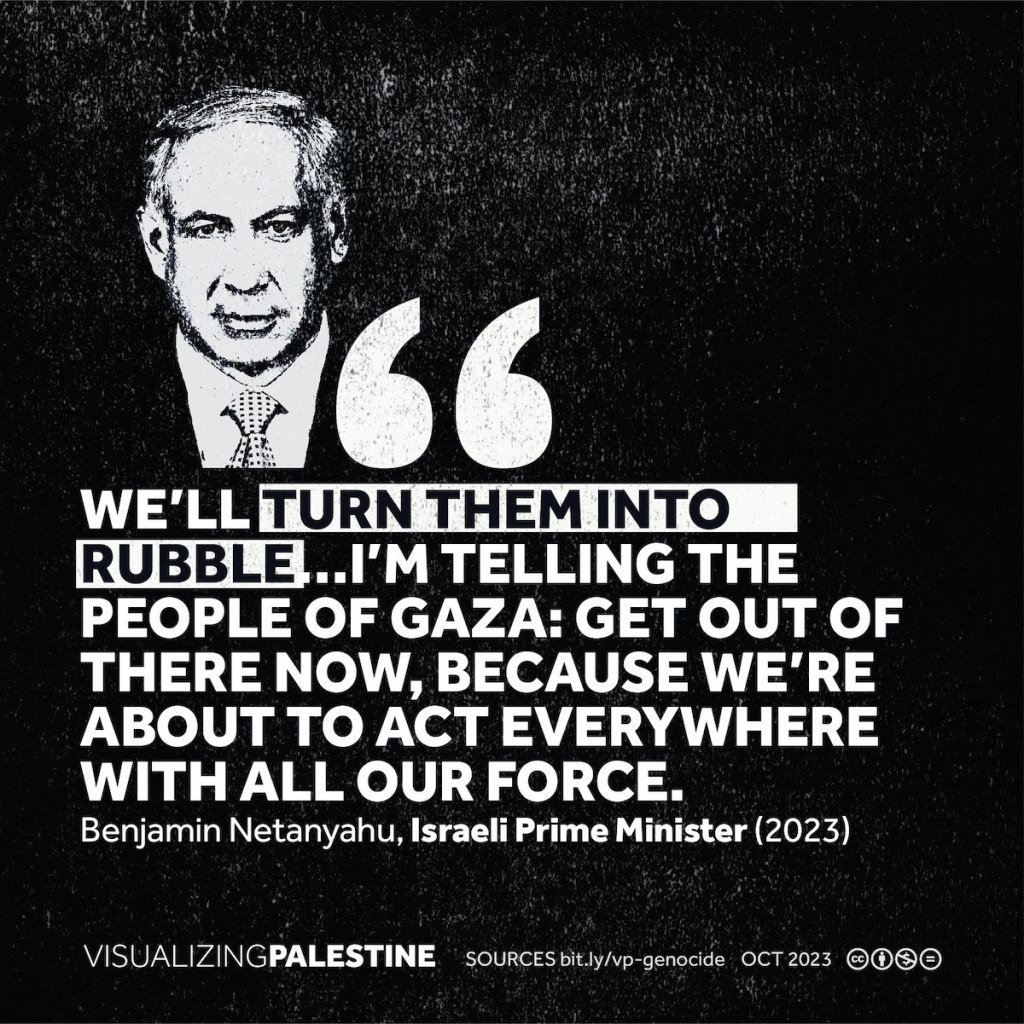
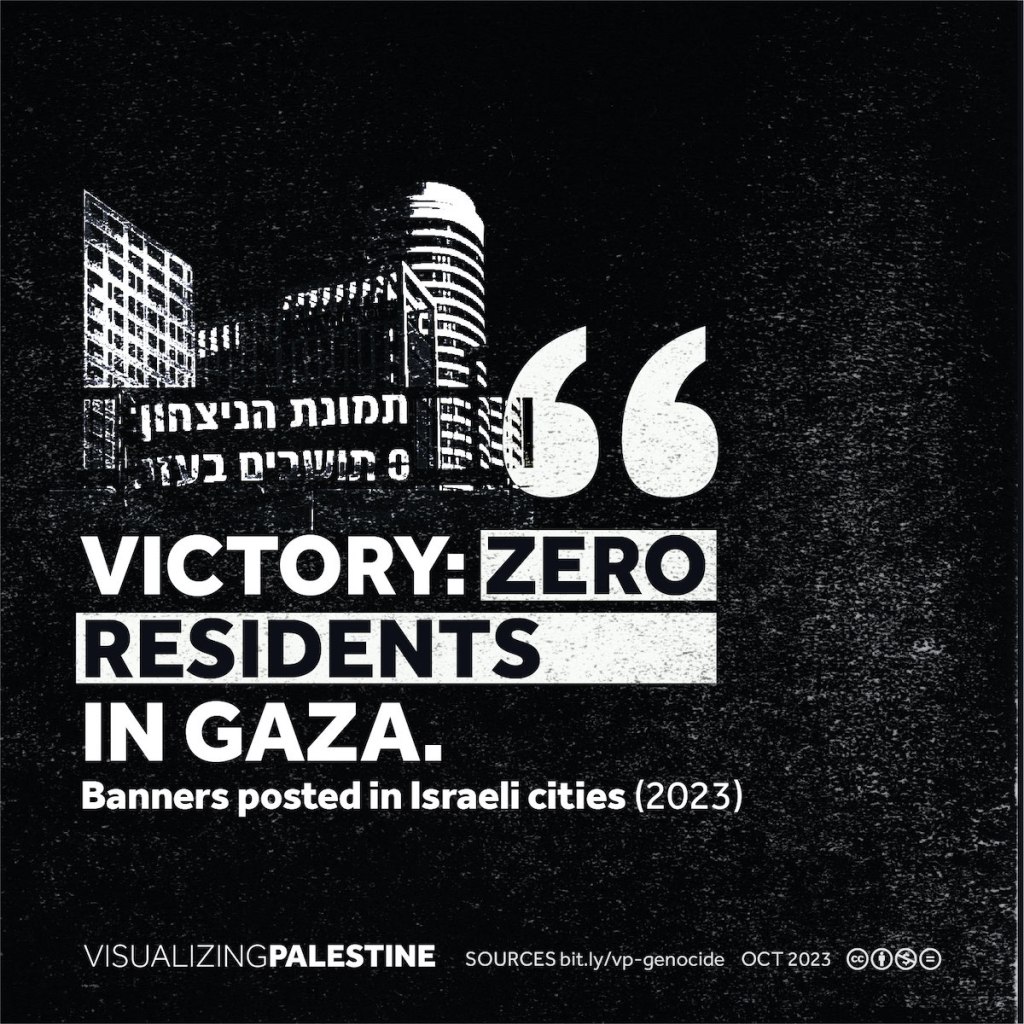
In October 2023, after Hamas launched a major ‘surprise’ attack, Netanyahu declared war against Hamas. He spoke about turning ‘all the places where Hamas is organized and hiding’ into cities of ruins and maintained the stance that Gaza is a ‘city of evil’, urging all of its residents to evacuate immediately.
Of course, this doesn’t sound like a big deal because everybody gets evacuated during war for their safety, don’t they?
And yet, for the third time in 75 years, Palestinians are being forced out of their homeland. And they are not being protected.
More than 26,000 innocent Palestinians have been killed in the war so far – most of them women and children… and yet, Netanyahu has described the civilian casualties as ‘collateral damage.’ On 13th October, the IDF called for all 1 million residents of Gaza City to evacuate their homes and move south for their protection, as the IDF prepared for an extensive ground operation against Hamas fighters.
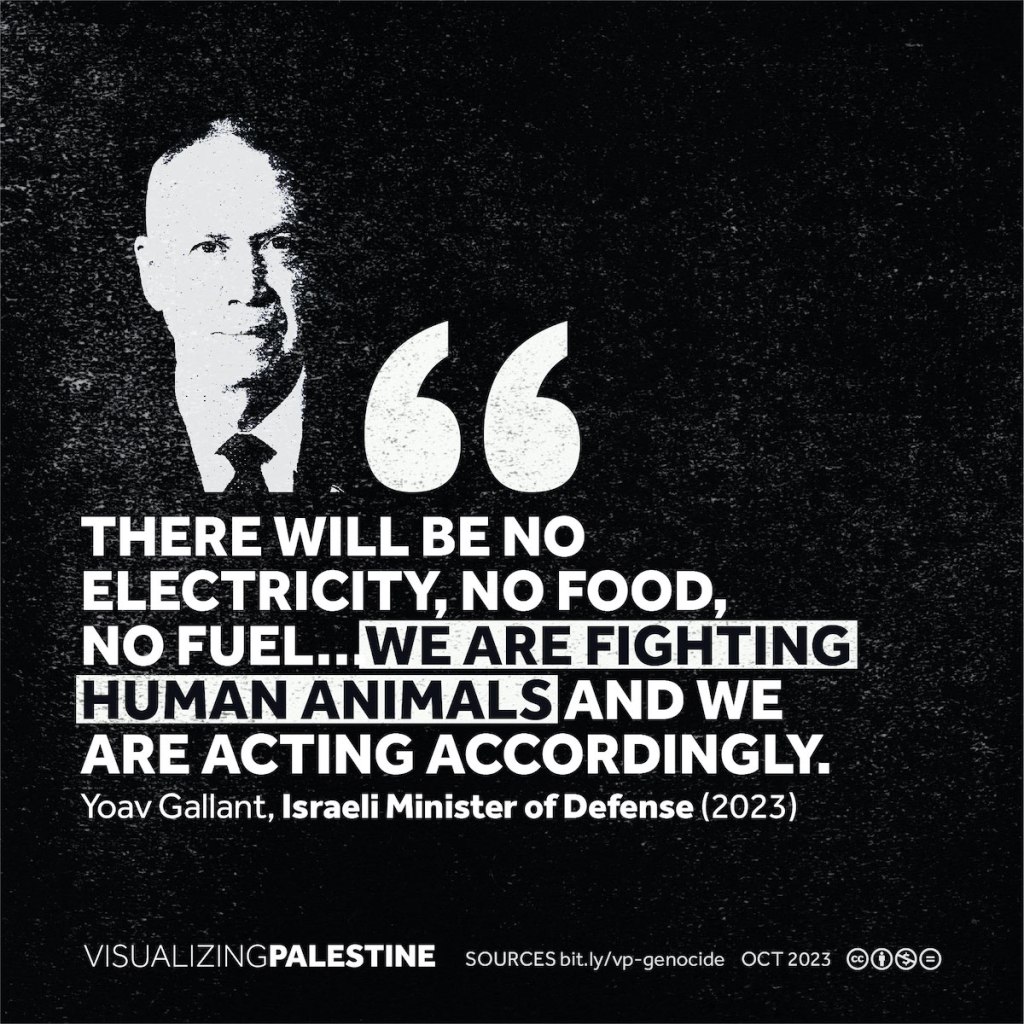
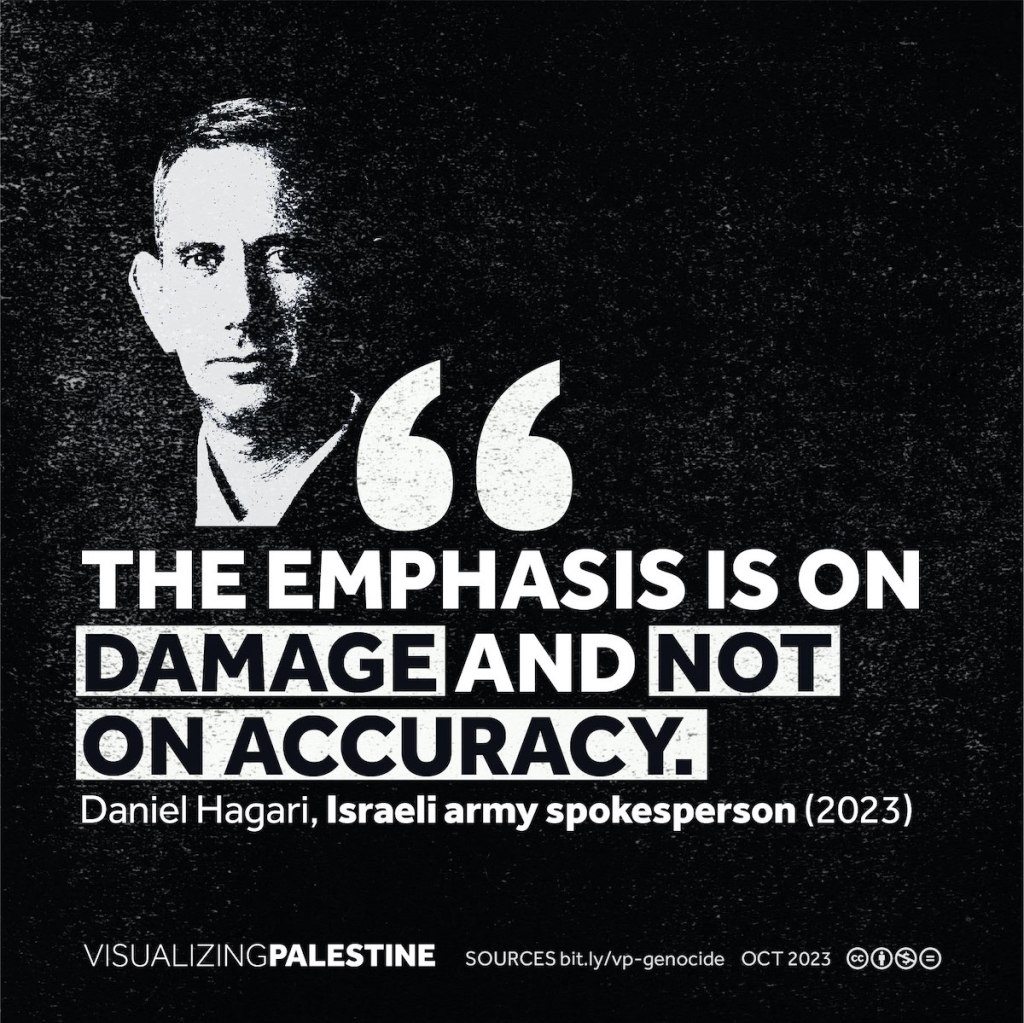
On October 17th, Israeli air raids killed at least 71 people and injured at least 50 others in Gaza. On the same day, hundreds of people were killed in an explosion in a hospital in the middle of Gaza, which was being used to shelter thousands of residents displaced from their homes. This cycle continues day after day, week after week. Palestinians are being told to evacuate. Israel bombing safe places where Palestinians are sheltering, under the pretence that it has ‘Hamas militants’ hiding inside.
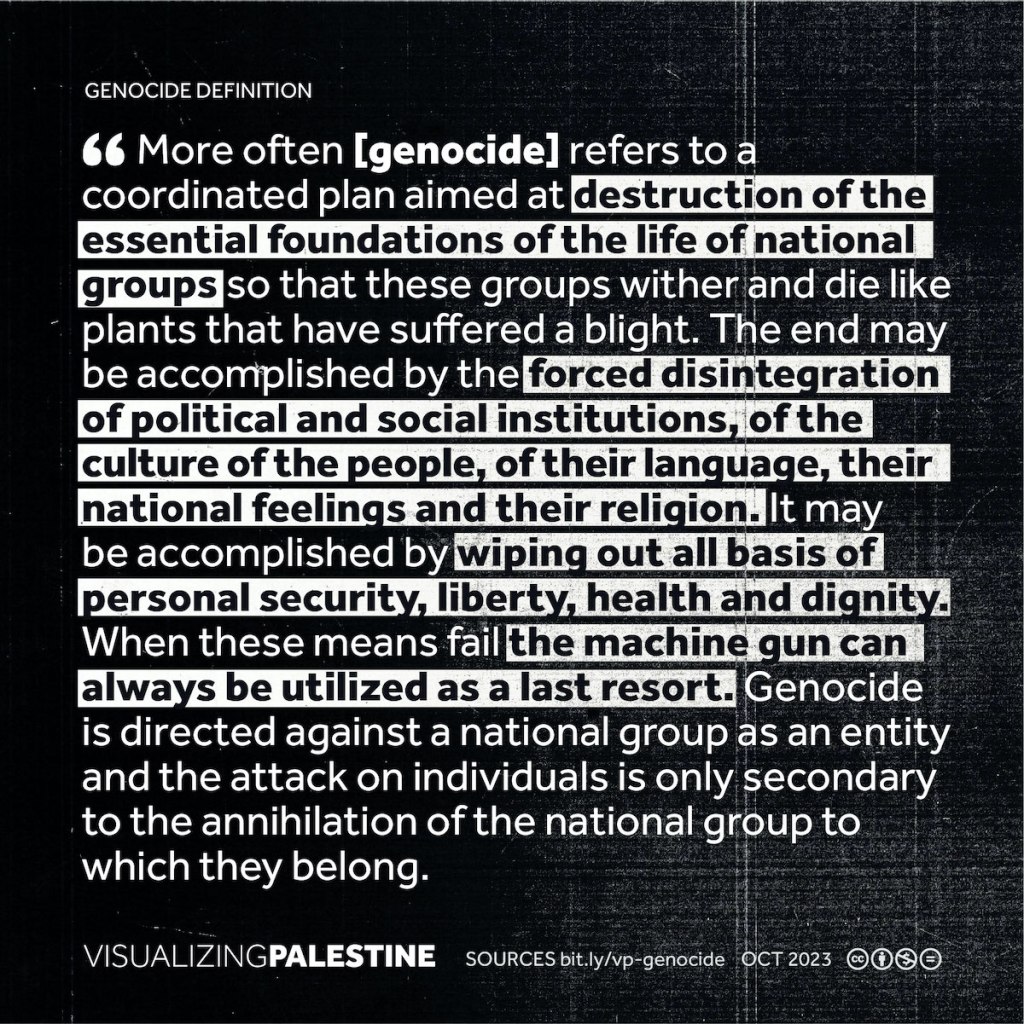
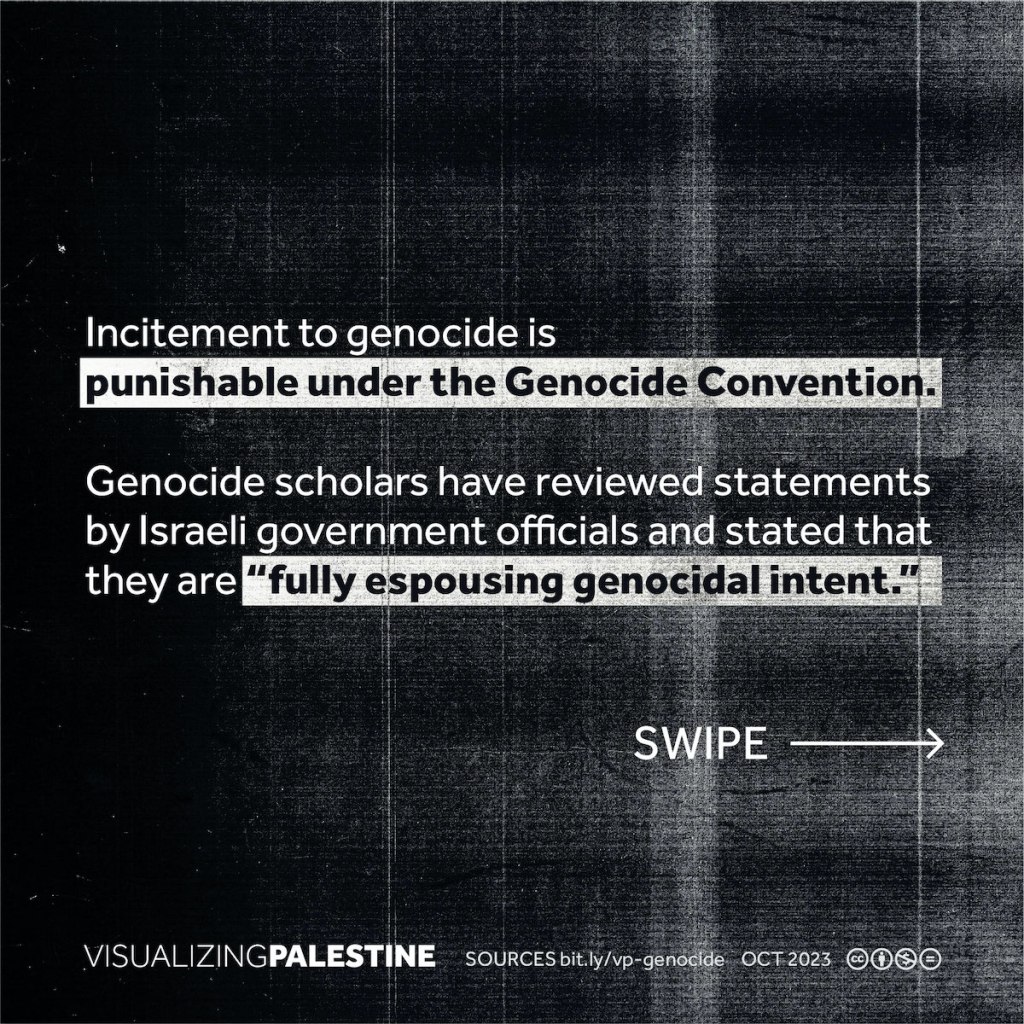
Netanyahu has stated that he will not stop until there is total victory over Hamas – vowing that fighting will continue even if a temporary ceasefire is reached. But, this is no longer a war against Hamas. This is genocide.


Of course, I realise there is nothing we can do as innocent civilians to immediately change the scenario. That is in the hands of our politicians and world leaders.
But, as I said at the beginning of this post, there is a quote in the movie National Treasure, that has always stuck out to me: ‘Those who have the ability to take action, have the responsibility to take action.’
We have the ability to use our voices – to put pressure on our governments with petitions and peaceful protests to affect change. Some of us have the ability to donate to causes or fundraise. Others have the ability to use their platforms to spread awareness and keep the conversation going. Ultimately, that is what I have aimed to do here. We have a responsibility to continue to speak on behalf of those who cannot. And we have to persevere until there is peace and justice.
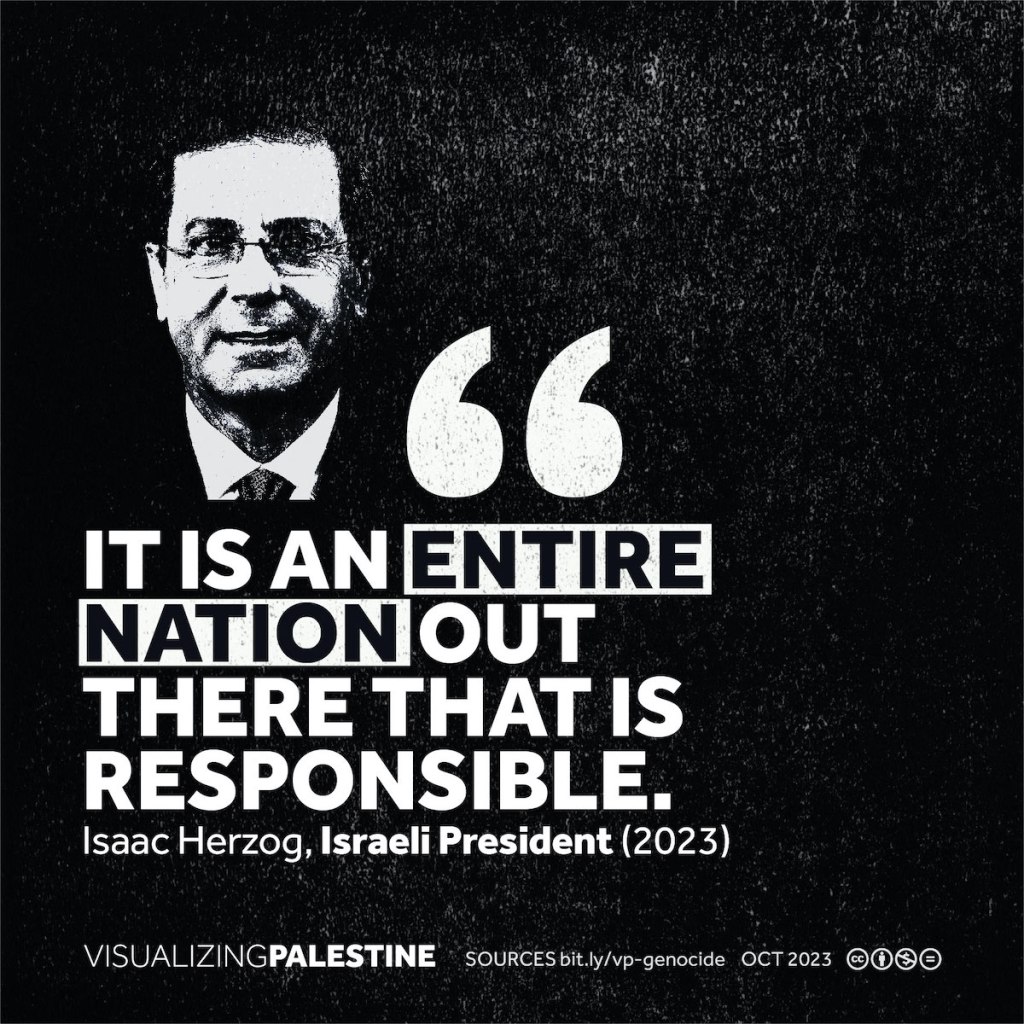
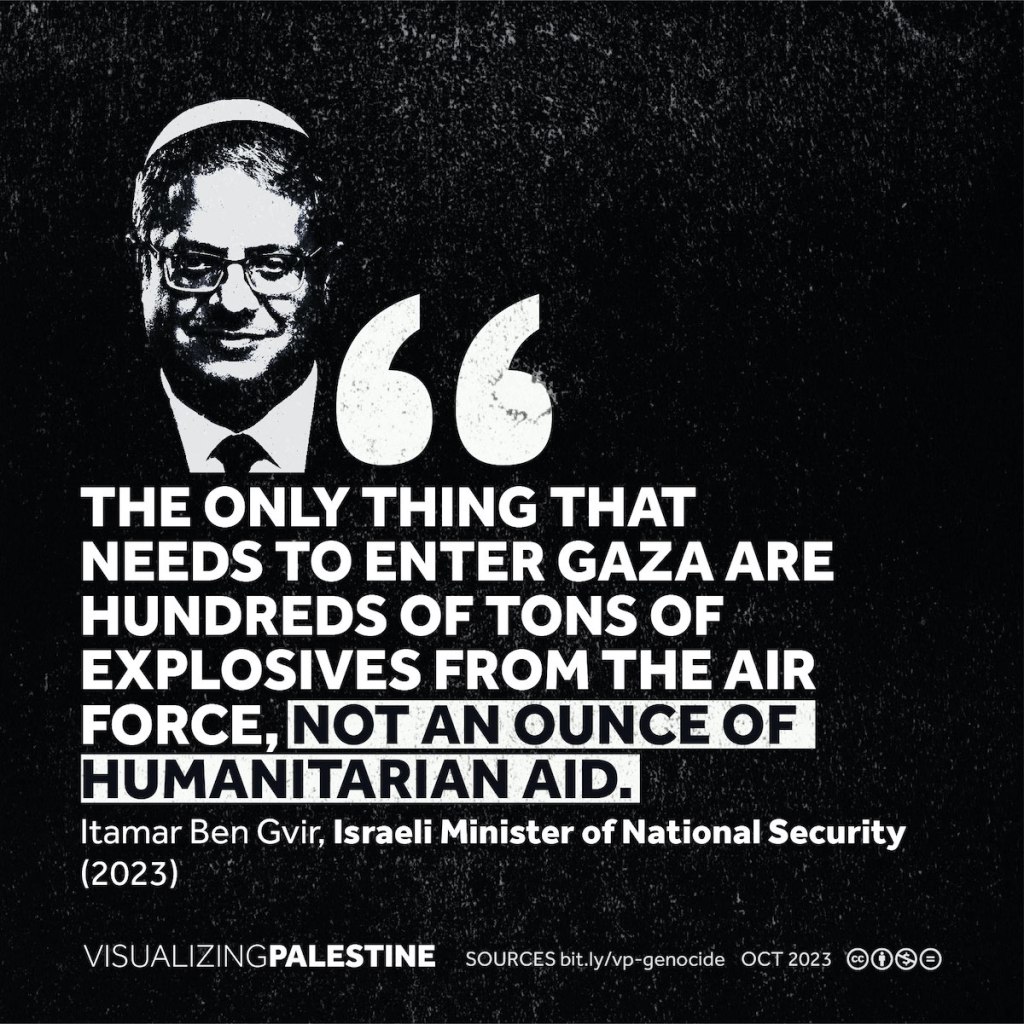
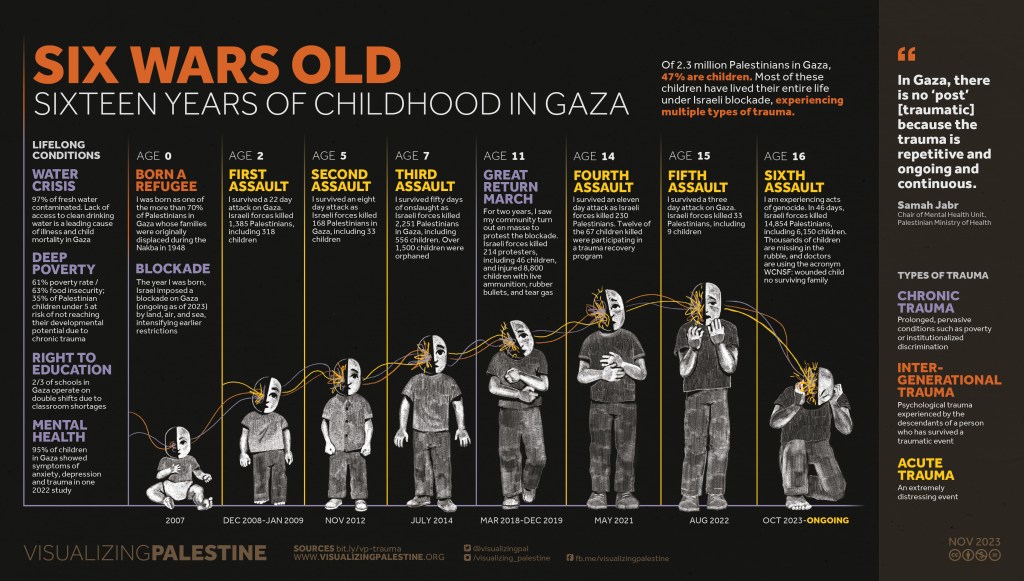
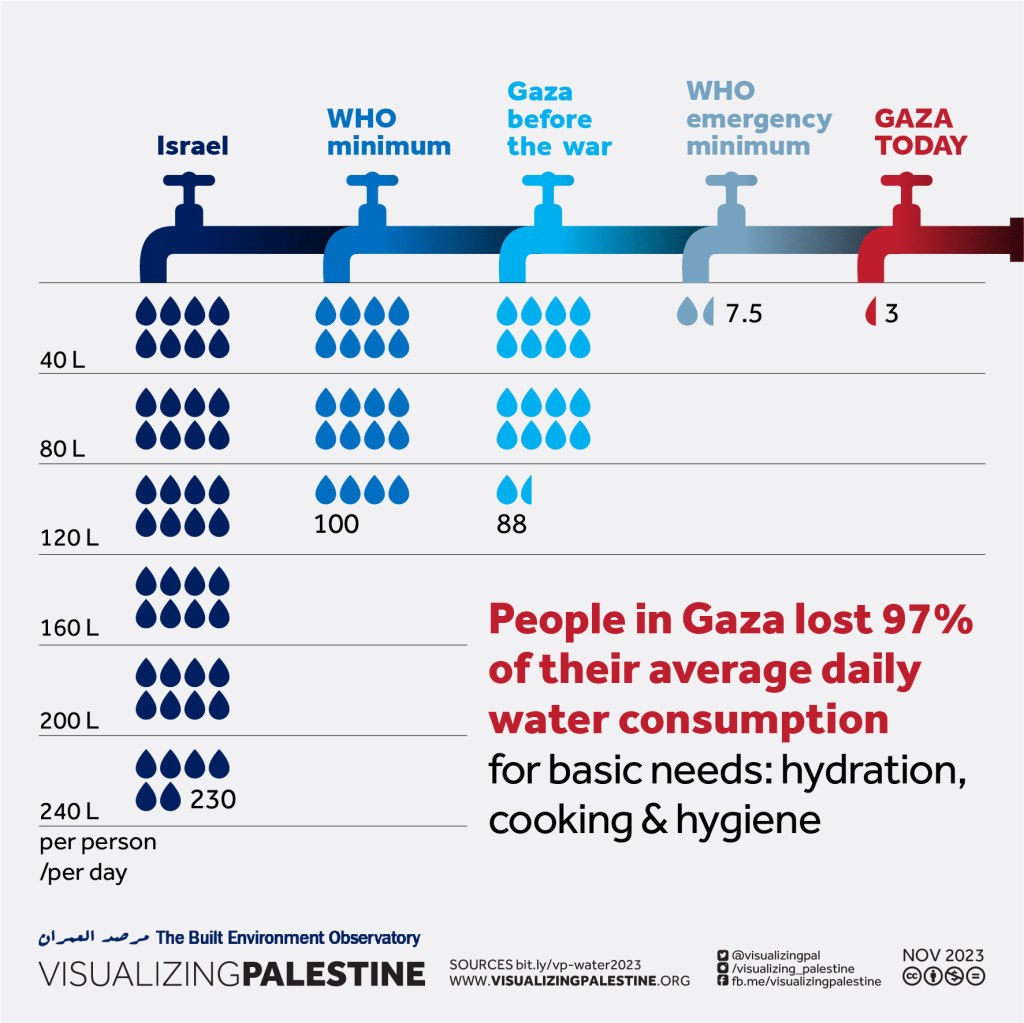
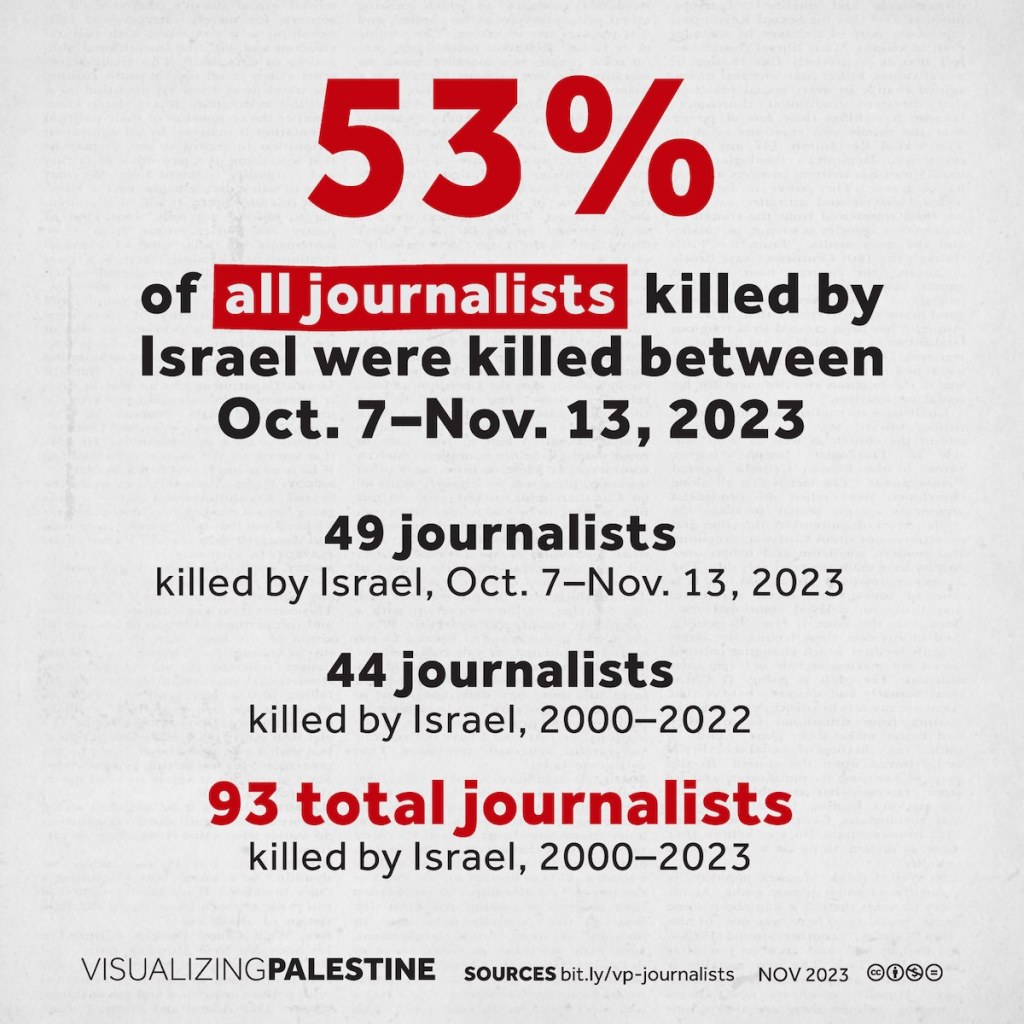
Infographics
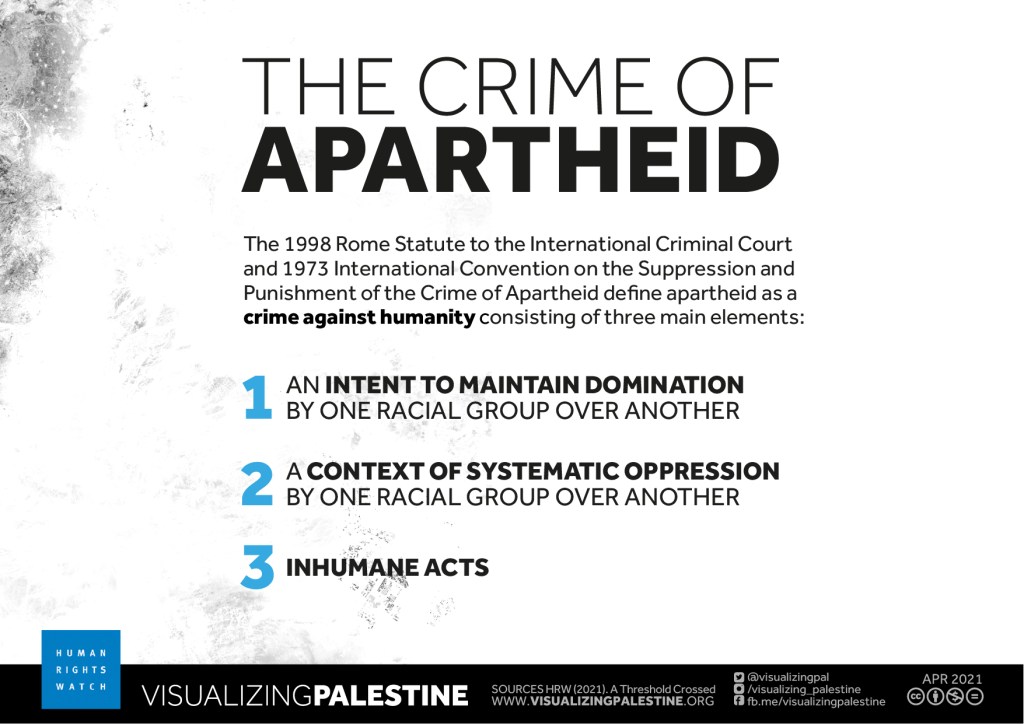
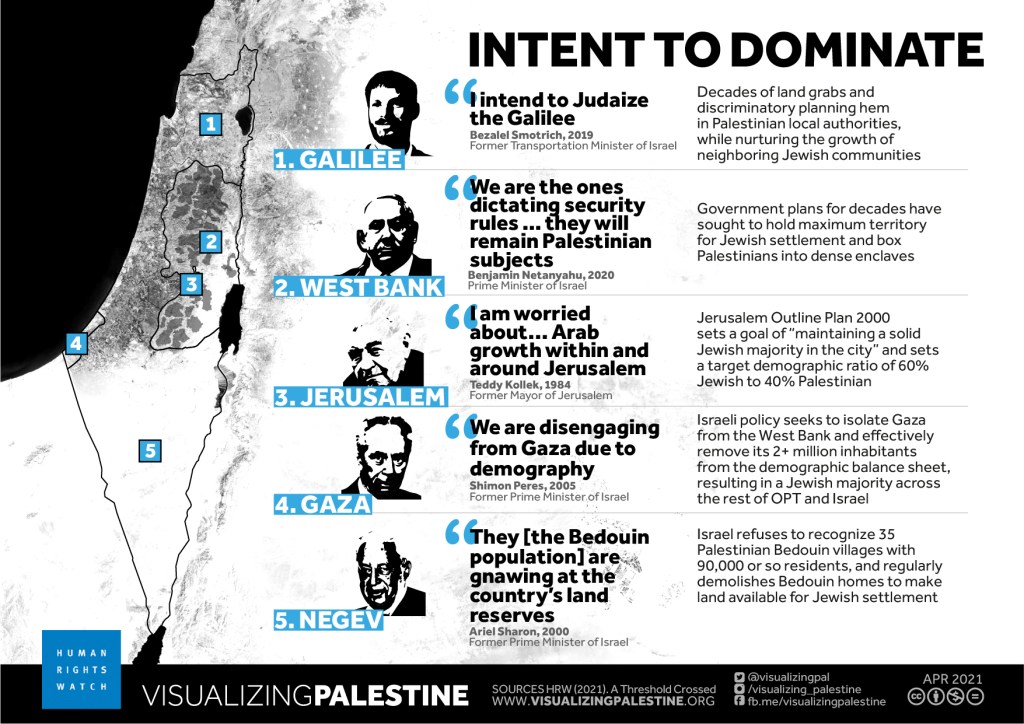
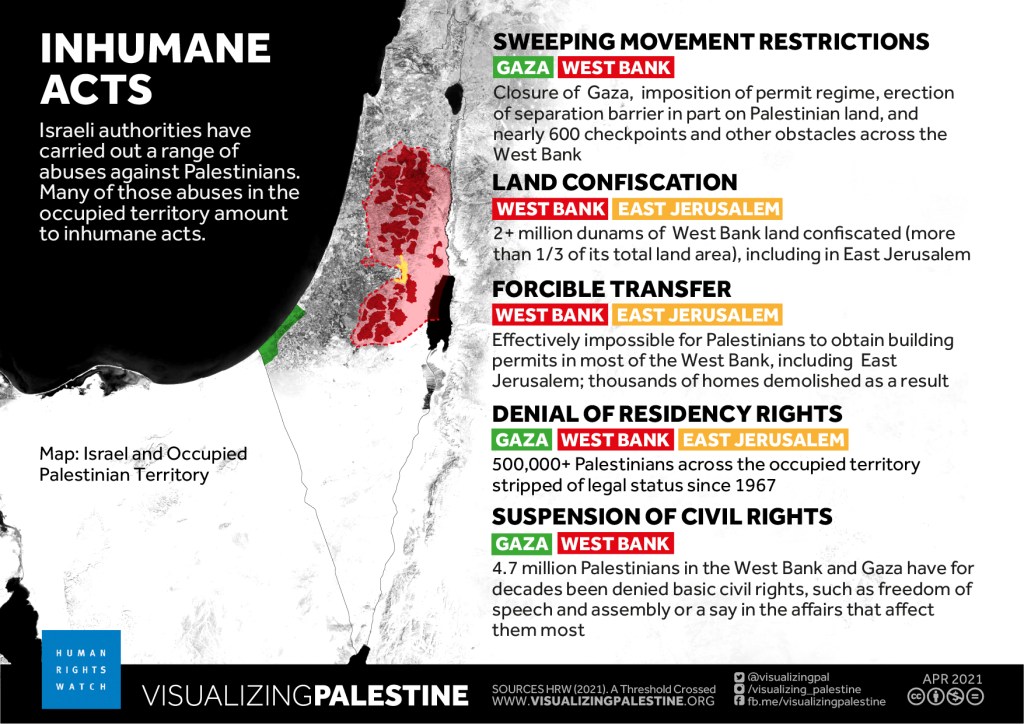
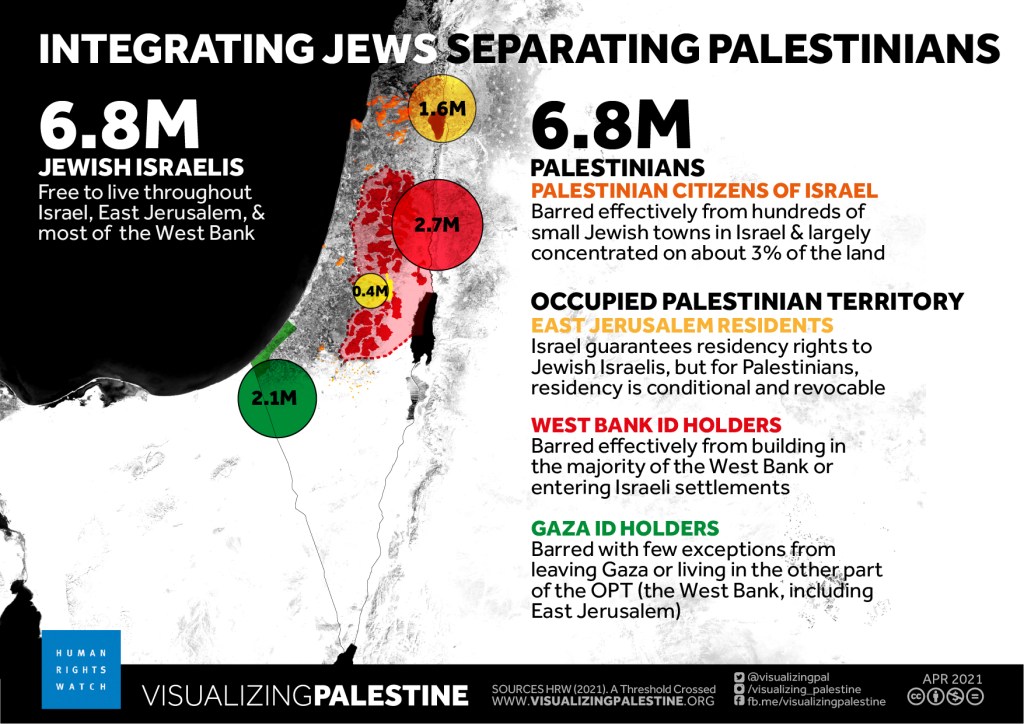
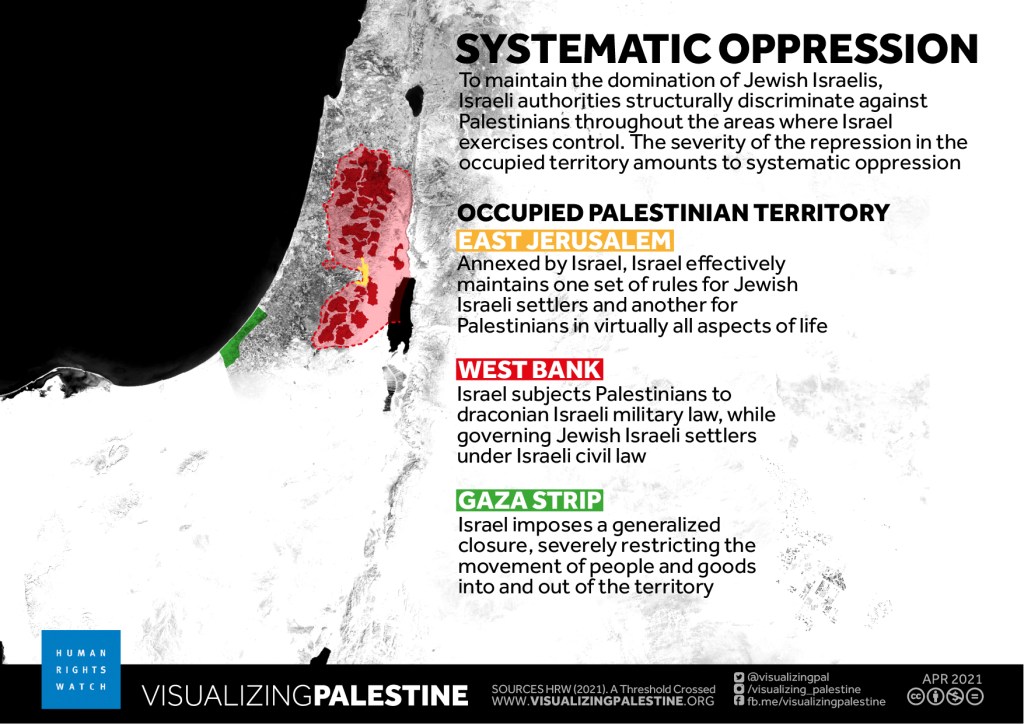
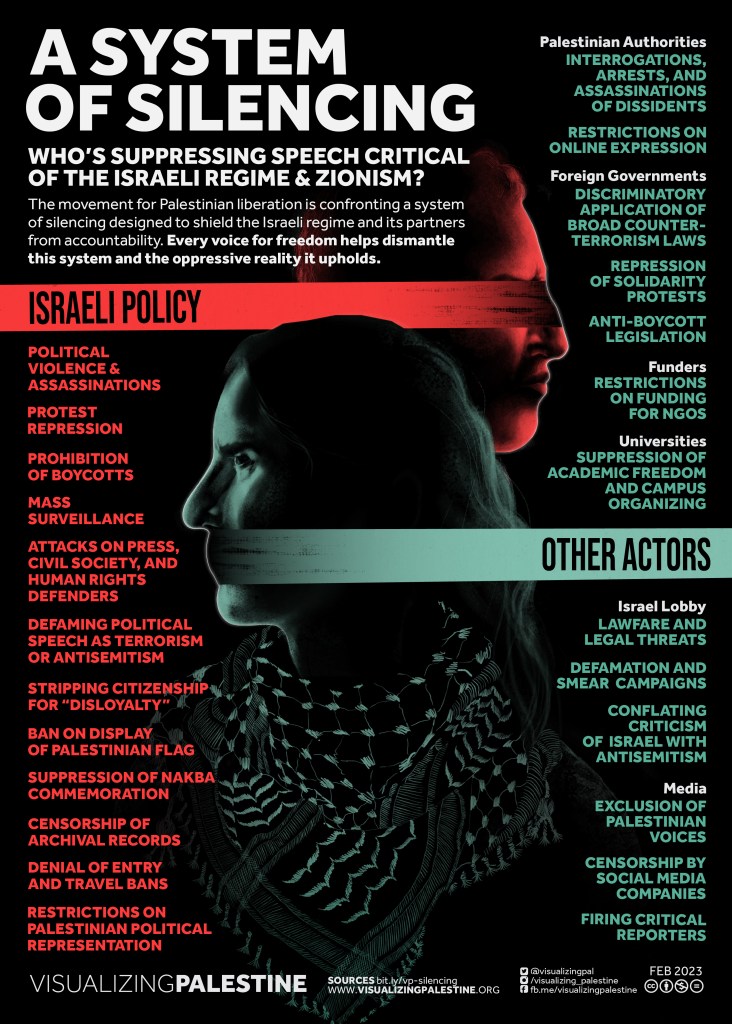
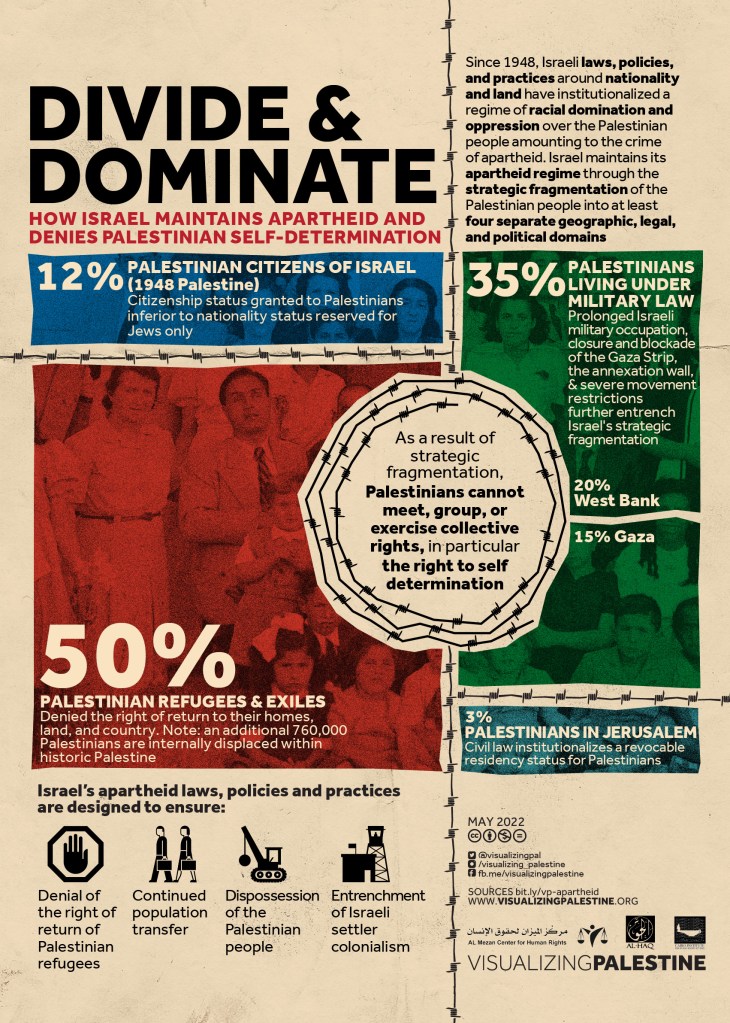
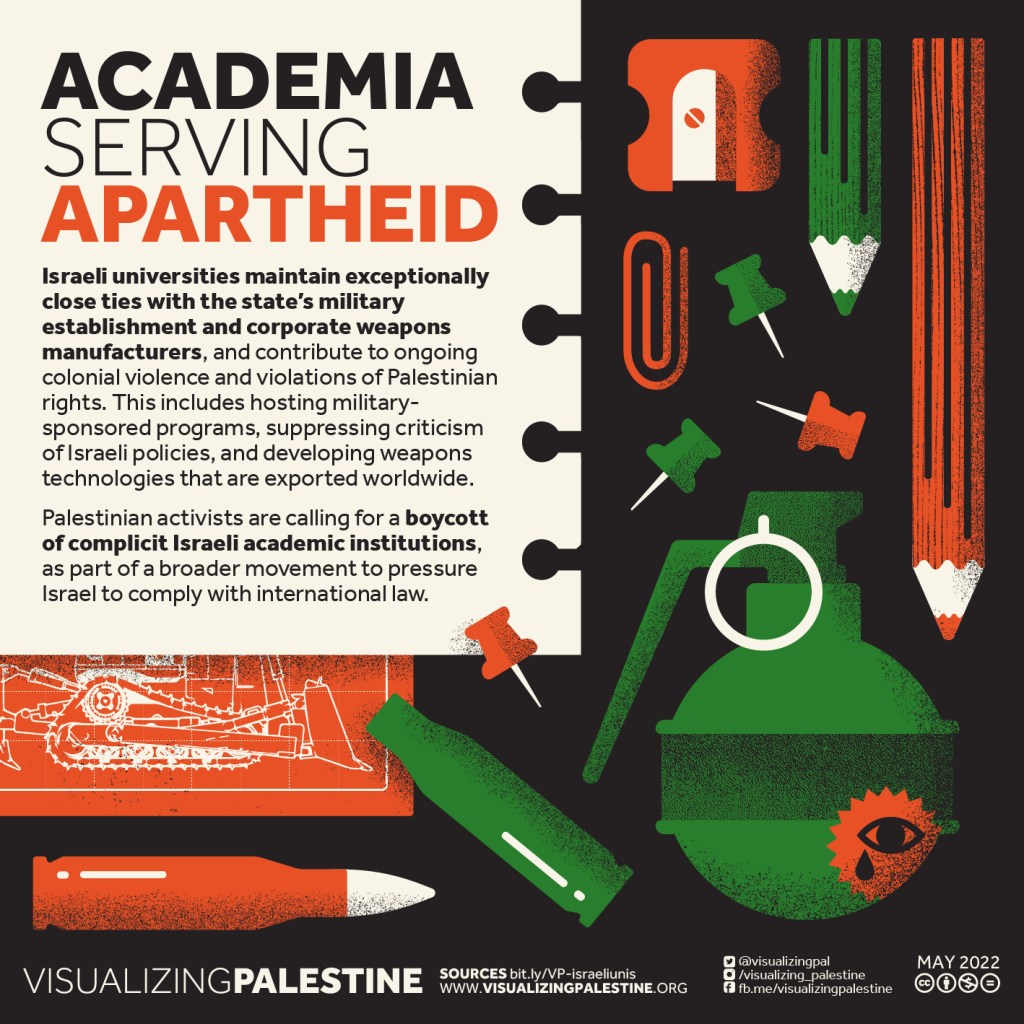
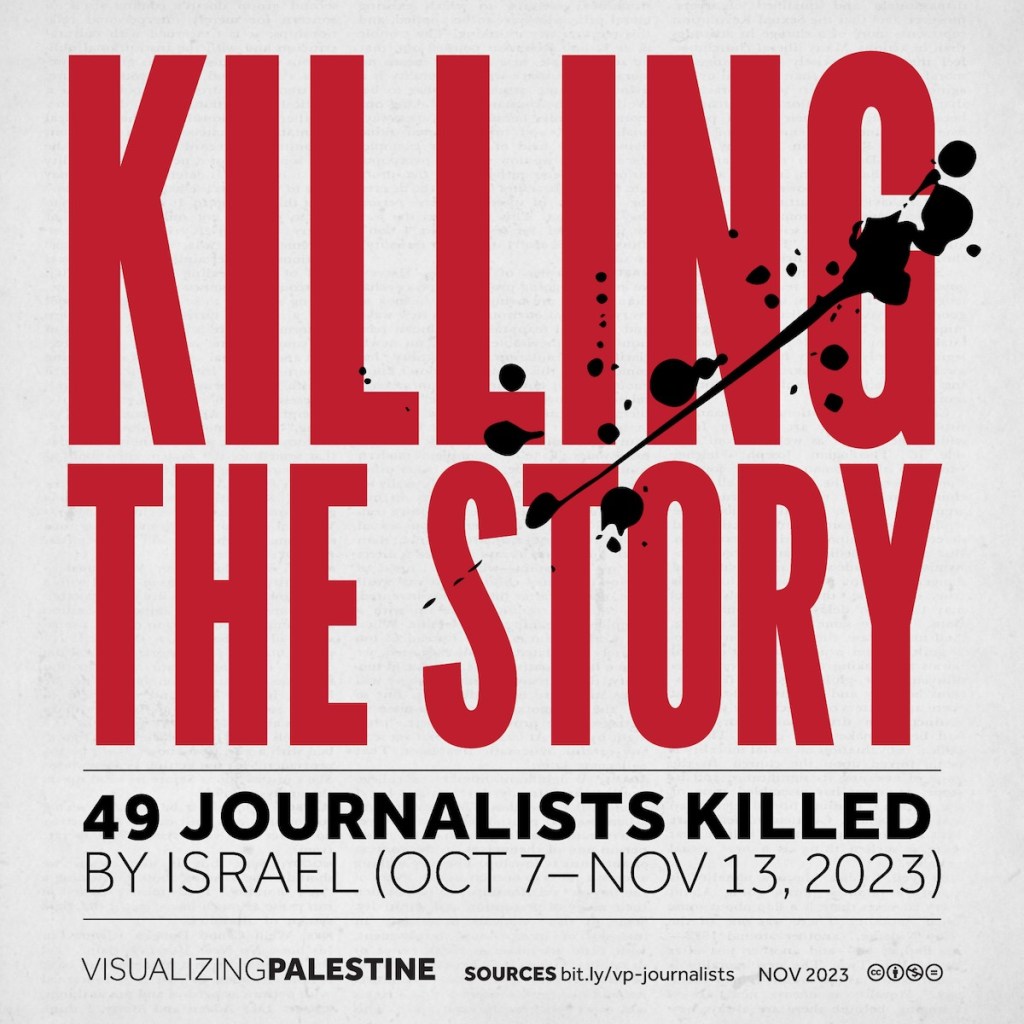
I realise there is a lot of information in this post – and unfortunately, this is not even the tip of the iceberg. If I were to write about every small detail this post would take you a year to read. I also understand it can be hard to visualise the sheer complexity and magnitude of all of the stats and statistics. So, when I came across a site called Visualising Palestine, a site that creates infographics on this particular topic, I thought it would be useful to share them here with you (with their permission).


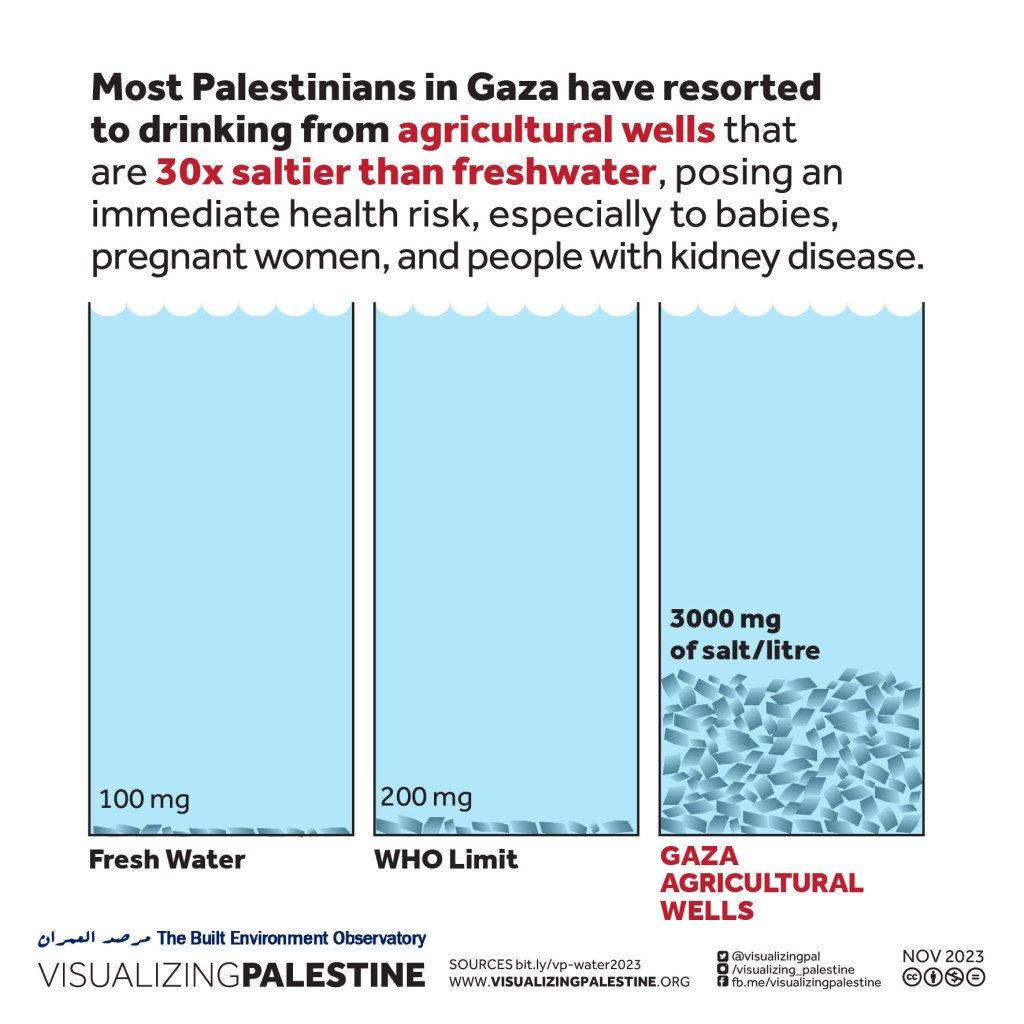
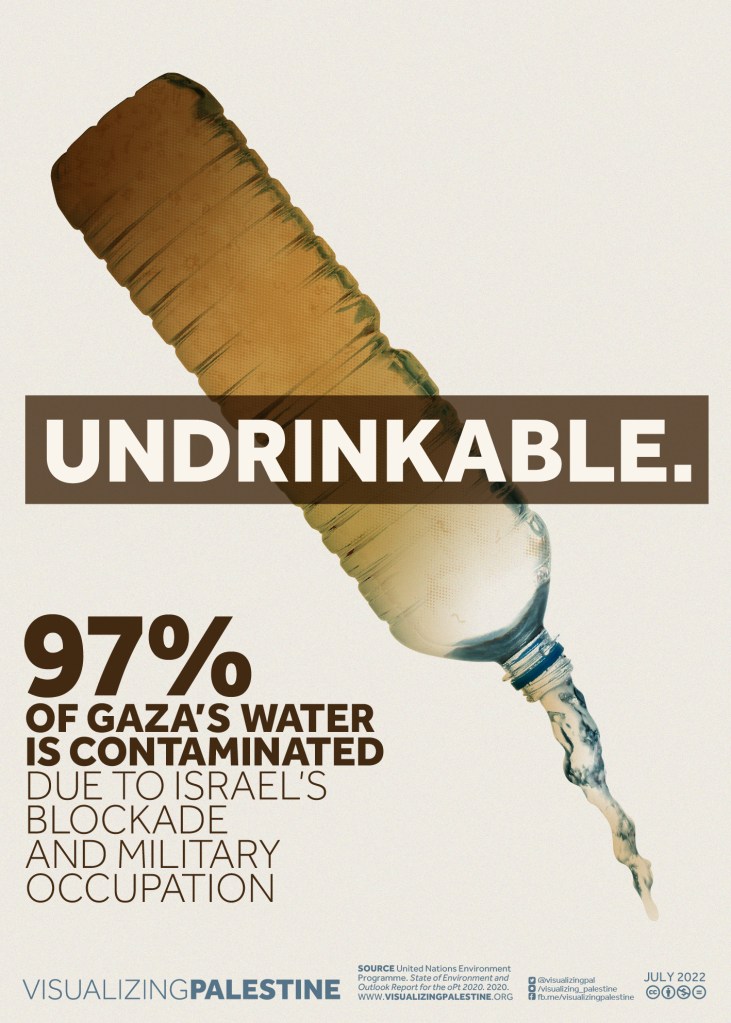


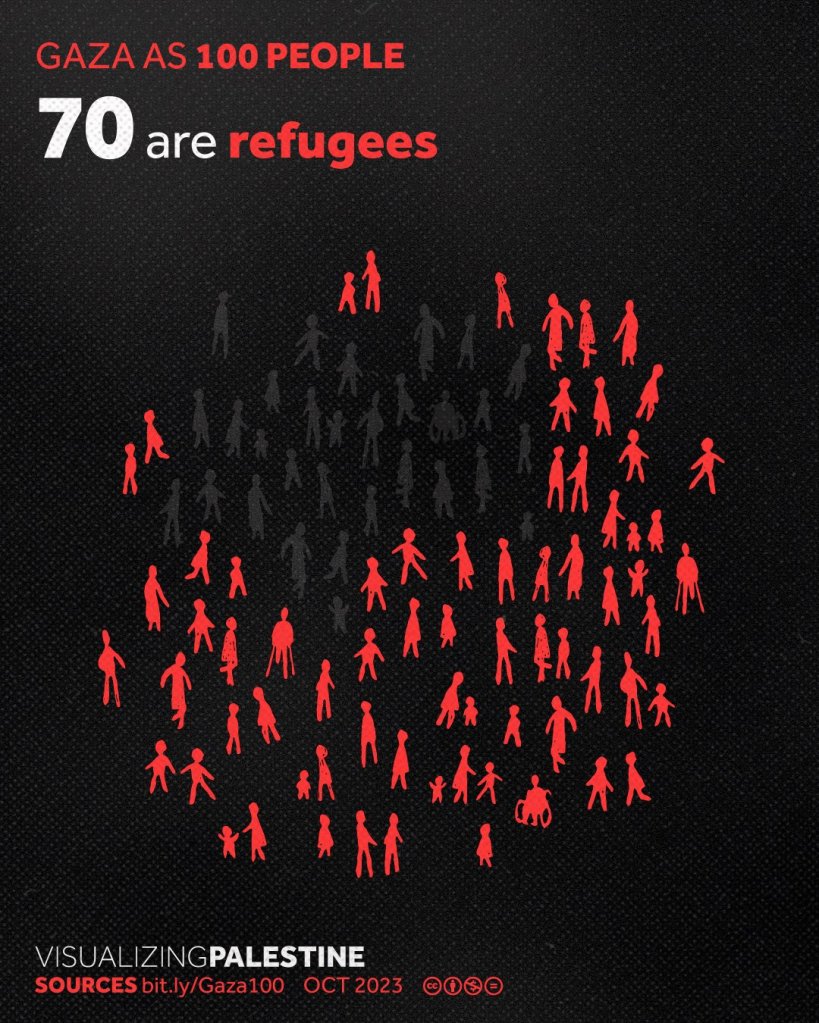


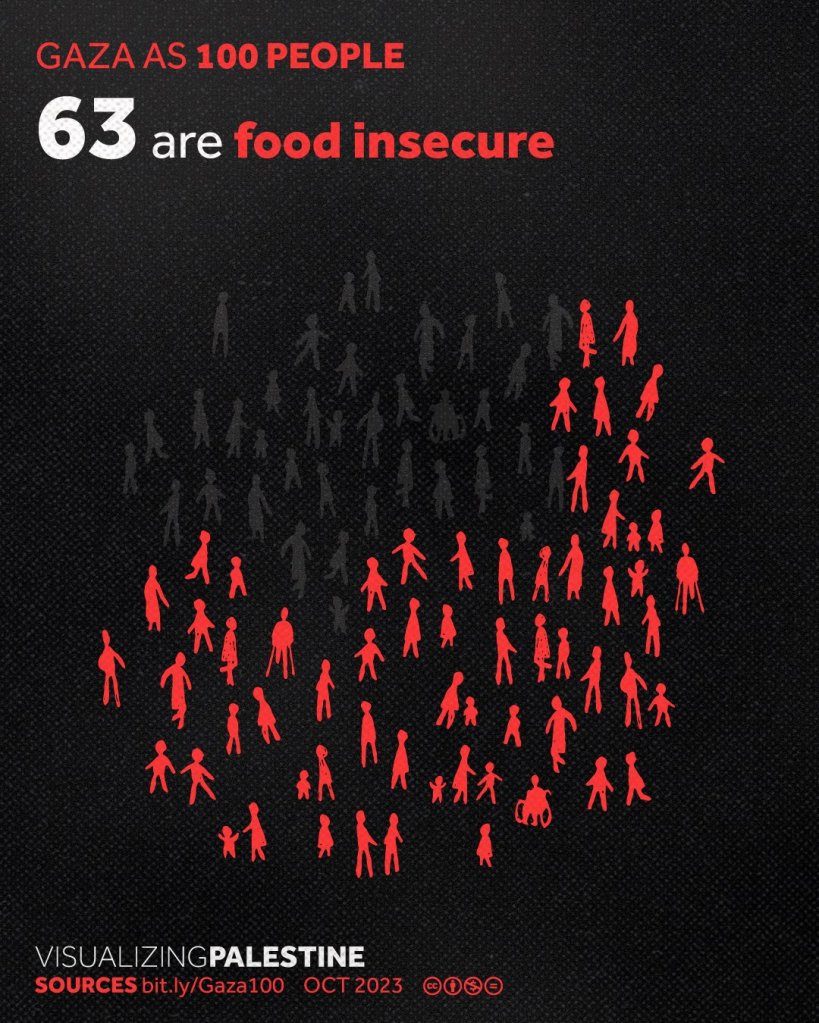



Books:
A list of books – both fiction and non fiction – for extra reading. I will continue to update this list as and when I find more. I have included Amazon (or other) links to the books, but obviously most of these can probably be found in bookstores or on other websites.
The Hunded Years War on Palestine by Rashid Khalidi
Palestine: A Four Thousand Year History by Nur Masalha
Pay No Heed to the Rockets by Marcello Di Cintio
Erasing Palestine by Rebecca Ruth Gould
They Called Me A Lioness by Ahmend Tamimi and Dena Takruri
Unsilencing Gaza by Sara Roy
On Palestine by Noam Chomsky and Ilan Pappe
In Search of Fatima by Ghada Karmi
Greater Than The Sum of our Parts: Feminism, Inter/Nationalism, and Palestine by Nada Elia
One State by Ghada Karmi
The Gun and The Olive Branch: The Roots of Violence in the Middle East by David Hirst
A History of Modern Palestine by Ilan Pappe
Where The Line is Drawn by Raja Shehadeh
I Saw Ramallah by Mourid Barghouti
My Father Was A Freedom Fighter by Ramzy Baroud
In My Mother’s Footsteps: A Palestinian Refugee Returns Home by Mona Hajar Halaby
Minor Detail by Adania Shibli
My First and Only Love by Sahar Khalifeh
Palestine’s Children: Returning to Haifa and Other Stories by Ghassan Kanafani
Salt Houses by Hala Alyan
The Ethnic Cleansing of Palestine by Ilan Pappe
Fast Times in Palestine by Pamela J Olson
Palestine by Joe Sacco
The Making of the Modern Middle East by Jeremy Bowen
Ten Myths About Israel by Ilan Pappe
Enemies and Neighbours: Arabs and Jews in Palestine and Israel, 1917-2017 by Ian Black
Palestine: A Socialist Introduction by Sumaya Awad
My Name is Palestine by Nadine Foty
Except for Palestine: The Limits of Progressive Politics by Marc Lamont Hill
Israeli Apartheid by Ben White
Palestinians in Israel: Segregation, Discrimination and Democracy by Ben White
Cracks in the Wall: Beyond Apartheid in Palestine/Israel by Ben White
Voices of the Nakba: A Living History of Palestine by Diana Allan and Rosemary Sayigh
Method and Madness: The Hidden Story of Israel’s Assaults on Gaza by Gary Dana, Norman G Finkelstein, et al.
The Two-State Delusion by Padraig O’Malley
The Palestine-Israel Conflict: A Beginner’s Guide by Dan Cohn-Sherbok
Palestinians and Israelis: A Short History of Conflict by Michael Scott-Baumann
Homeland: My Father Dreams of Palestine by Hannah Moushabeck and Reem Madooh
A Day in the Life of Abed Salama: A Palestine Story by Nathan Thrall, Peter Ganim, et al.
The History of Palestine: Exploring the Past and Present of a Contested Land by Matthew Rivers
The Biggest Prison on Earth: A History of the Occupied Territories by Ilan Papper, Paul Boehmer, et al.
Olive Harvest in Palestine by Wafi Shami and Shaima Farouki
We Could Have Been Friends, My Father and I: A Palestinian Memoir by Raja Shehadeh, Peter Ganim, et al.
Decolonizing Israel, Liberating Palestine: Zionism, Settler Colonialism, and the Case for One Democratic State by Jeff Halper
Gaza in Crisis: Reflections on Israel’s War Against the Palestinians by Ilan Pappe and Noam Chomsky
Policy of Deceit: Britain and Palestine, 1914-1939 by Peter Shambrook
Palestine: The Land, The People, and the Oppression by Sonia Anisa
Ways to Donate:
United Nations Relief and Works Agency
British Red Cross – Israel and Occupied Palestinian Territory Appeal
Gaza Emergency Appeal by HumanAppeal
Gaza Emergency Appeal by Save the Children
Ways to Help
Jewish Voice for Peace – largest progressive Jewish anti-zionist organisation. Organising a grassroots, multi-racial, cross-class, intergenerational movement of US Jews into solidarity with Palestinian freedom struggle.
Apartheid Free – an intiative launched by AFSC and partners, with over 170 groups, communities and organisations pledging themselves to end all support to Israel’s apartheid regime, settler colonialism, and military occupation.
Change Petitions – sign a global petition.
Spead awareness on your social media platforms, using reliable sources (such as Visualising Palestine).
You must be a UK resident to sign the petitions below.
At 10,000 signatures, the government will respond. At 100,000 signatures, the petition will be considered for debate in parliament.
Ones to sign include:
Create a Palestinian Family Visa Scheme for Palestinian people affected by war – https://petition.parliament.uk/petitions/648577
Seek a ceasfire and to end Israeli occupation of the West Bank and Gaza Strip – https://petition.parliament.uk/petitions/648292
Urge the Israel Government to allow fuel, electricity and food into Gaza – https://petition.parliament.uk/petitions/648383
Remain neutral in Israel-Palestine conflict and withdraw support for Israel – https://petition.parliament.uk/petitions/648225
Withdraw support for Israel and support Palestine in Israel-palestine conflict – https://petition.parliament.uk/petitions/648456
Call for an immediate ceasfire in Israel and Gaza – https://petition.parliament.uk/petitions/649130
A Timeline of the Israel-Hamas Conflict – New York Times
History of the Israeli-Palestine Conflict: A Chronology – Washington Post
Israel-Palestine: A Timeline of the decades long conflict – Evening Standard
 thebecksedit.co.uk